01 · Shine
Visibly shinier strands
Studies suggest that inositol and phytic acid, components identified in rice rinse water, can improve measured gloss on hair fibres.[1]

Rice water haircare · Launching 2027
Silky, mineral-rich rice water — അരി വെള്ളം, ari vellam — carried into a clean, gentle shampoo for every texture.
US$20 · 200 ml rice water shampoo · Designed in Canada, formulated in India
01 · Heritage
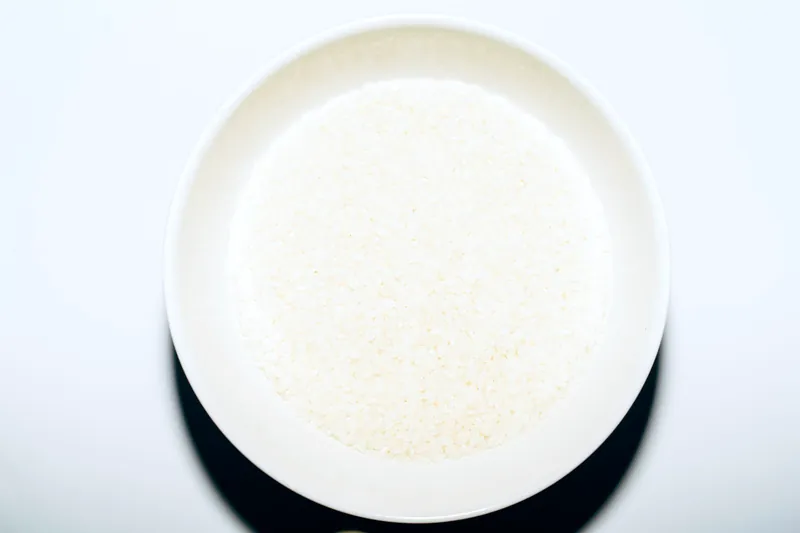
The name Arivelum is a coinage inspired by Malayalam ari vellam, “rice water.” In Kerala, rinsing hair with rice water is a household beauty ritual, passed from one generation to the next, and done for how hair looks and feels: shinier, smoother, easier to comb.
Arivelum refines that rite into a modern daily shampoo — a quiet formula designed in Canada and made in India, for every texture.
The practice sits within a wider tradition of Indian hair care inspired by Ayurveda, one of the world’s oldest medical systems.[3]
02 · The formula
Many everyday shampoos rely on strong sulfated surfactants that can leave hair feeling tight. Arivelum is designed as a sulfate-free and phosphate-free cleanser* — a daily-use wash that cleans without that squeaky finish.
The formula starts from refined rice extracts. Laboratory work on rice rinse water found that untreated liquid can flake on the hair surface, while refined extracts avoided that flaking and were associated with lower friction and higher elasticity on hair fibres.[1]
03 · How it is meant to feel
These are cosmetic, sensory claims — how hair can look and feel — not medical promises. Studies of rice rinse water on hair fibres suggest effects on friction, elasticity and gloss; they are laboratory findings, not clinical trials of this bottle.[1]
01 · Shine
Studies suggest that inositol and phytic acid, components identified in rice rinse water, can improve measured gloss on hair fibres.[1]
02 · Feel
The same laboratory work found that rice rinse water reduced surface friction — the quality behind hair that feels smoother to the hand and to the comb.[1]
03 · Strength of look
Lower fibre friction and higher elasticity, as reported for rice-water components, are consistent with hair that is less prone to snapping as it is combed.[1]
04 · Scalp
A gentle cleanse, intended to leave the scalp feeling soothed and comfortable — never a treatment claim, and never a cure.
05 · Texture
Made for straight, wavy, curly and coily hair. The ritual was never a straight-hair story, and neither is this bottle.
06 · Inositol
A synchrotron infrared study suggests that inositol, a carbohydrate found in rice water, can enter the hair fibre and remain after rinsing.[2]

04 · The Science
A short, honest reading of the papers we opened. Findings apply to rice-water components or laboratory treatments — not to Arivelum’s finished formula, which has not been tested yet.
Lab study on hair fibres
Inamasu and colleagues treated hair fibres with yu-su-ru, the rinse water from washing rice. The work reported lower surface friction and higher elasticity. Untreated rinse water also caused surface flaking; refined extracts did not, and component tests associated inositol and phytic acid with improved gloss.[1]
Lab study on hair fibres
A synchrotron infrared study at SPring-8, describing work at Kracie, suggests that inositol — a carbohydrate found in rice water — can penetrate the hair fibre and remain after rinsing, with signals stronger near the surface than at the centre.[2]
Same lab study, a caution
The same 2010 paper found that raw rice rinse water could flake on the fibre and reduce measured gloss — likely from starch left on the surface. That is consistent with a common caution from users and clinicians: frequent, heavy starchy or protein-rich rinses can leave hair feeling stiff or coated. Refined extracts in the study avoided the flaking.[1]
Limitations. The evidence is limited and mostly laboratory-scale, on hair fibres rather than large human panels. Results describe ingredients or model treatments, not Arivelum. Dermatologists are right to be sceptical of viral “rice water” claims that outrun the data. We do not claim that this bottle has been clinically proven.
Arivelum is a cosmetic. It is not intended to diagnose, treat, cure or prevent any disease.
05 · In motion
 At rest
 In motion
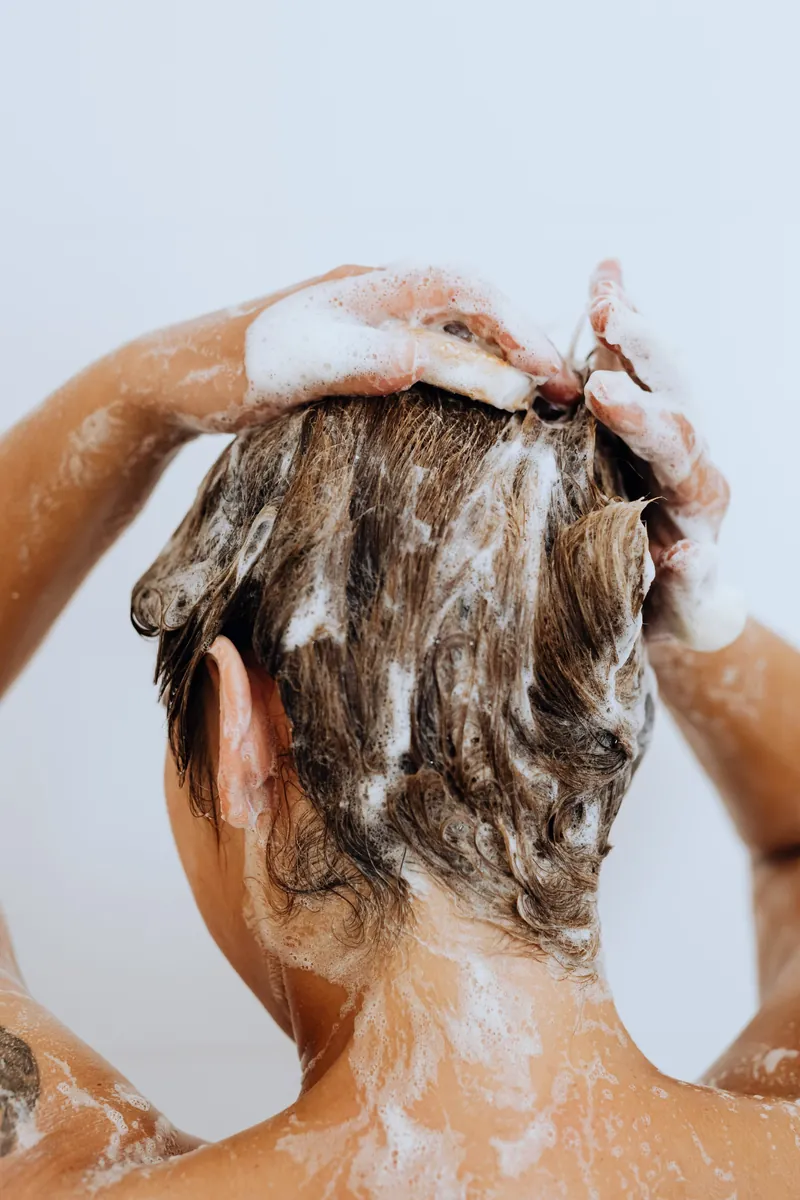
Dramatisation. Stock footage; not actual results from Arivelum. Shown for shine, smoothness and manageability only.
06 · The bottle
US$20 launching 2027
Retail target US$18–22. Opening price shown as US$20.
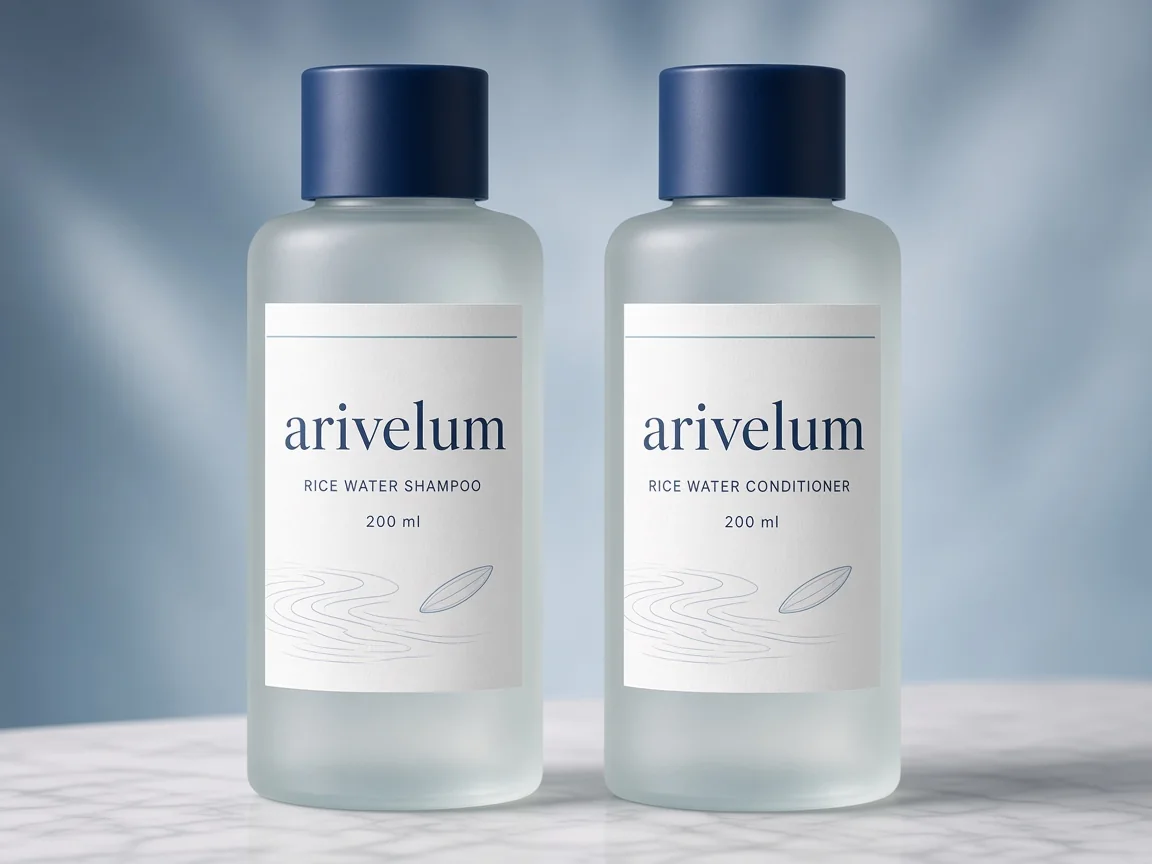
The first Arivelum bottle is a daily-use rice water shampoo in a frosted 200 ml pack. Conditioner, a hair serum and a shampoo bar will follow. A men’s line is already on the board.
Leave your email if you want first word when the waitlist opens for real. We are not storing addresses on this page yet.
Thank you. You are on the list in spirit — this preview does not store your email yet. We will open a proper waitlist before launch.
By joining you simply ask to hear when Arivelum is available. No account is created on this page.
07 · Arivelum Men
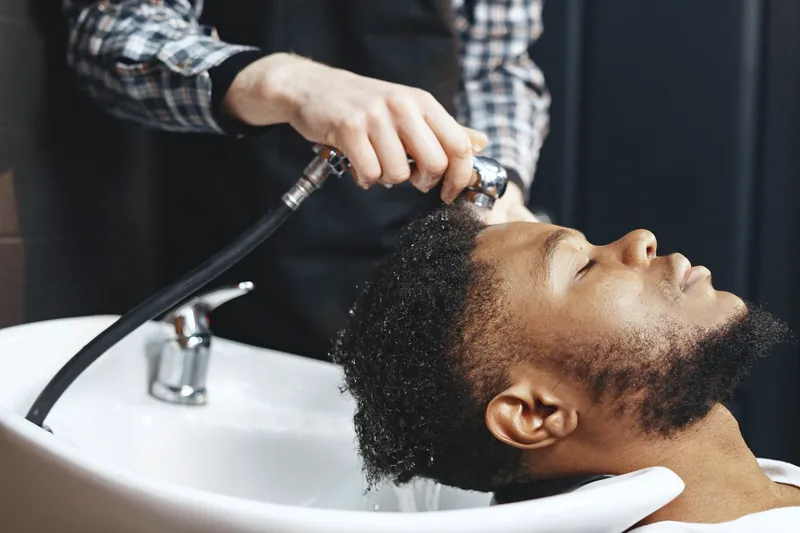
Men have been an afterthought in rice water haircare. A dedicated Arivelum Men line — a quieter bottle, a quieter scent — is planned to follow the hero shampoo. Same rice water rite. No costume masculinity.
08 · Questions
Arivelum is an inspired coinage from Malayalam ari vellam, “rice water.” It is written with one L, and it is a brand name, not a literal transliteration. The mark is shown as Arivelum™ until any registration issues. Kerala-inspired, and designed for a modern bathroom.
2027. The first bottle is a 200 ml rice water shampoo, planned for a North American launch on a direct-to-consumer site and on Amazon, at a target of US$18–22.
That is the intended formula, and it will only appear as a confirmed on-pack claim once it has been checked against the supplier’s final INCI ingredient list.*
No. Arivelum is a cosmetic shampoo. It is made for how hair looks and feels — shinier, softer, smoother, with less breakage from combing. It is not a drug, and we do not claim that it regrows hair, stops hair loss, treats dandruff or heals the scalp.
Yes. The shampoo is intended for straight, wavy, curly and coily textures. It can be used on beards as well. A dedicated men’s line is planned after the first bottle.
Formulated in India, in a facility chosen for its cosmetic certifications. Arivelum is a brand of Barrie, Ontario.
Yes, in the laboratory, and mostly on hair fibres, not in large clinical trials of this product. A 2010 Japanese cosmetics paper reported that rice rinse water reduced surface friction and increased elasticity, while untreated rinse water could flake; refined extracts did not.[1] Separate work has described inositol from rice water inside the hair fibre after rinsing.[2] We phrase all of this as what studies suggest, not as a proven result of this bottle. See The Science.
Sources
Every factual sentence on this site about Ayurveda or rice-water science is tied to a source we actually read. Laboratory findings are described with “studies suggest.” They are not a clinical proof of Arivelum.
* “Sulfate-free” and “phosphate-free” are intended claims. They must be verified against the supplier’s final INCI list before they appear on packaging, advertising, or an Amazon listing.